
Luis Gonzalez, PhD
Snowflake Advanced Certified Architect · Principal Data & AI Architect · Professor · Researcher
Architect · Researcher · Professor
My career began in relational databases and Oracle Applications supporting mission-critical systems in the Oil & Gas industry — environments where data failures were not inconvenient, they were costly. That foundation instilled a discipline around precision, reliability, and the operational reality of systems under pressure. Over two decades, it evolved into cloud engineering, AI, and modern data architecture.
Today I operate fluidly across technical discovery, solution design, executive alignment, and hands-on implementation. My technical foundation includes Snowflake, Databricks, Kafka/Confluent, Terraform, Python/Spark, and Microsoft Fabric. My current focus is Generative AI, RAG pipelines, LLM Agents, vector search, and Snowflake Cortex — bringing production discipline to capabilities that many organizations are still treating as experiments.
Colleagues describe me as "the Calm in the Storm" and "the Translator" — someone who brings structure to complexity and makes advanced concepts understandable and actionable for everyone from engineers to the C-suite. That translation capacity is not incidental. It is the result of a deliberate intellectual practice that spans computer science, business strategy, and anthropology.
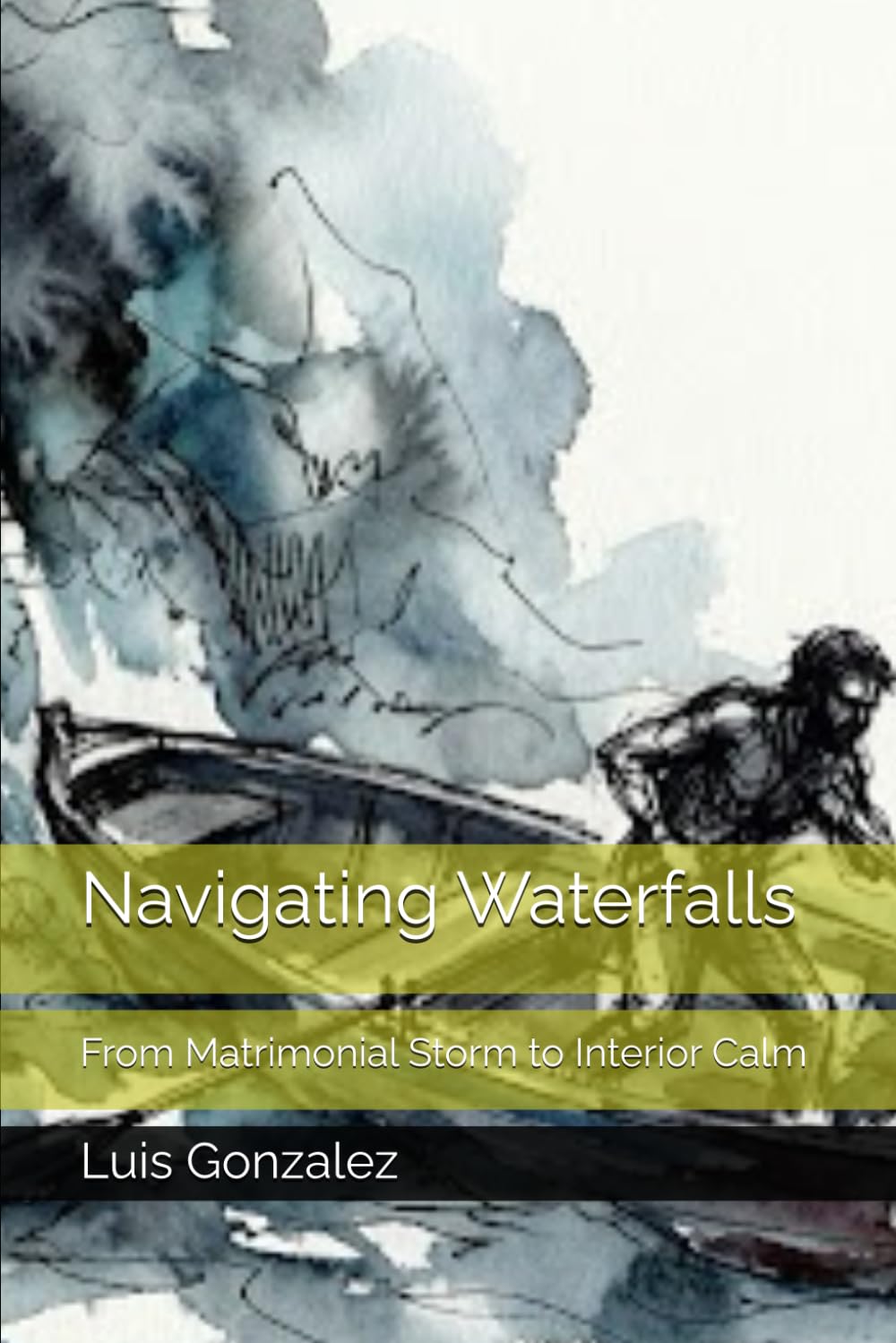
I have taught computer science at the doctoral, master's, and undergraduate levels across several accredited institutions since 2017. I mentor doctoral candidates through dissertation development and build courses from scratch when the right curriculum does not yet exist. I am also the author of Navigating Waterfalls: From Matrimonial Storm to Interior Calm and its Spanish edition Navegando Cascadas.
Philosophy
Data systems do not fail because of bad technology. They fail because the humans who design them underestimate the complexity of the organizations they are supposed to serve. My approach to discovery mirrors anthropological fieldwork: observation, active listening, documentation, contextual immersion, pattern recognition, and triangulation across multiple sources of truth. Anthropology provides the methodologies for understanding human systems holistically — not as they appear on an org chart, but as they actually operate under pressure. Architecture then translates that understanding into systems that are technically rigorous, organizationally legible, and built to absorb the realities they will encounter in production. The goal is never the most elegant design. It is the design that lasts.
Career Timeline
Beyond the Work

My full professional history, academic appointments, certifications, and publications are available on LinkedIn.
View on LinkedIn